
Agri-preneurship in Bhutan
A public servant turned farmer on why Bhutan’s future depends on modern, sustainable and youth-led agriculture.
Why a public servant became a farmer
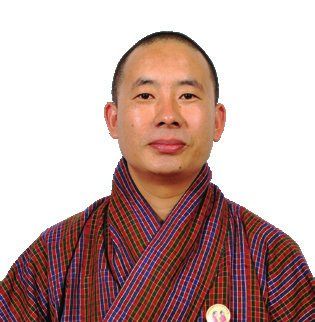
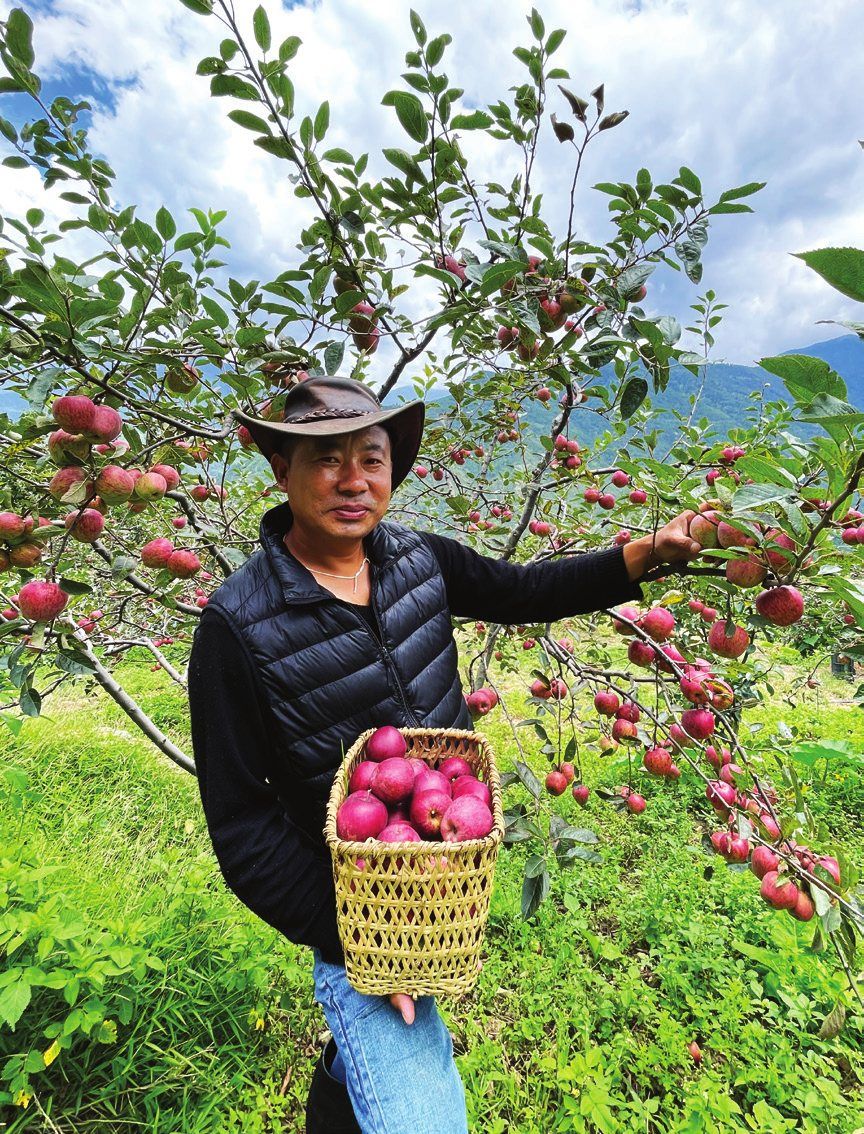
After 18 years in public service, working on policy and the conservation needs of a diverse country, Dorji wanted a more tangible way to contribute and a closer connection to nature.
He sees farming as a continuation of public service: the same management and community skills, now applied to looking after land and resources. His goals are self-sufficiency, sustainability, food security, a healthy environment and good local produce.
Two farms, many fruits
Each farm grows what suits its valley, which makes the business more resilient.
The Happiness Farm, Paro
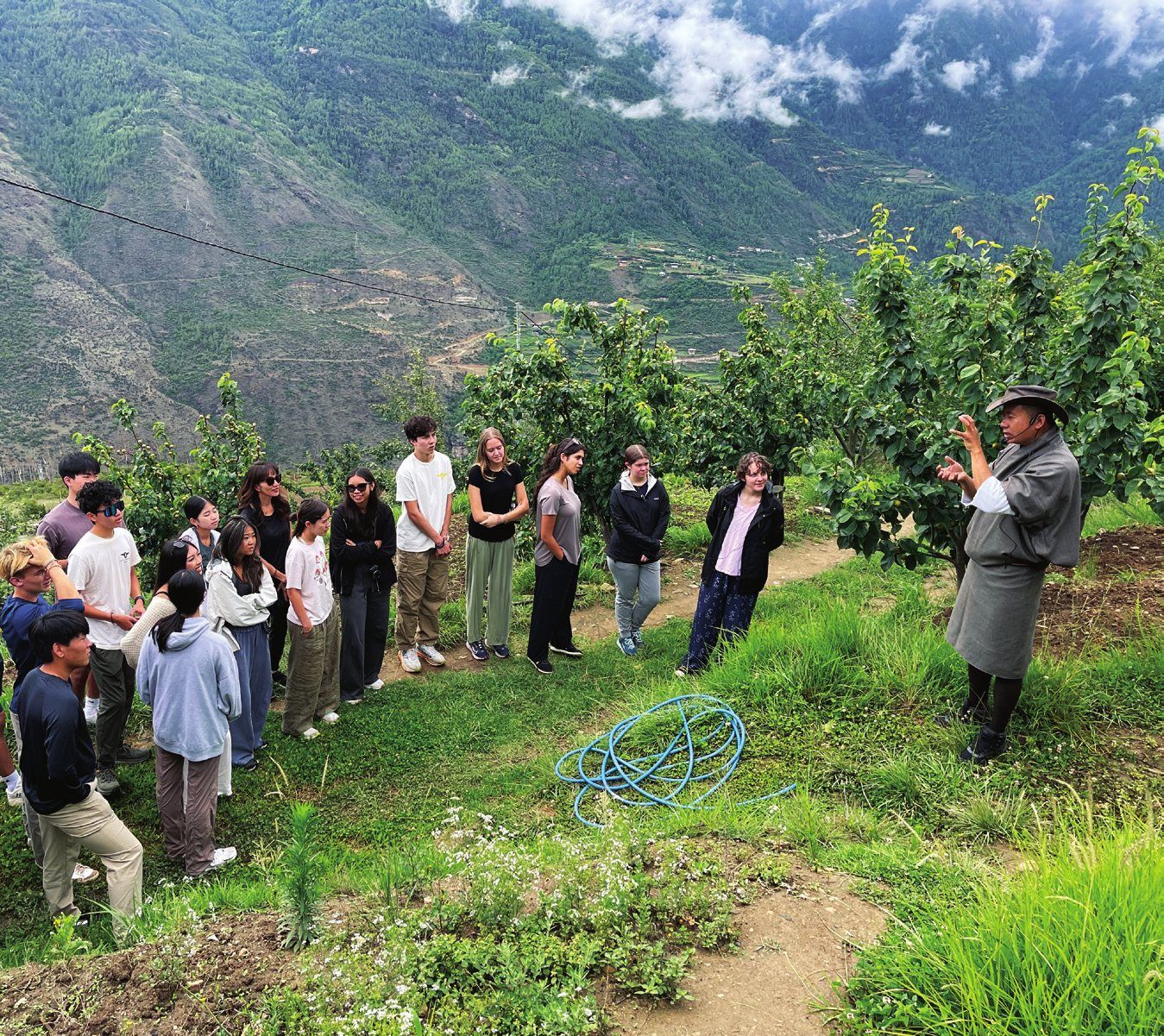
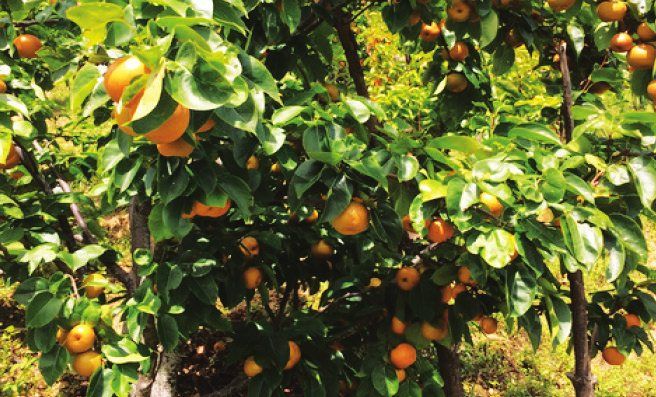
Japanese pears, apples and walnuts, chosen for their quality and strong market appeal.
The Happiness Farm, Punakha Valley
Avocados, premium oranges, lemons, pineapples and dragon fruit, among more than 22 kinds of fruit and vegetables.


Farm stays, farm tours and farm-to-table food
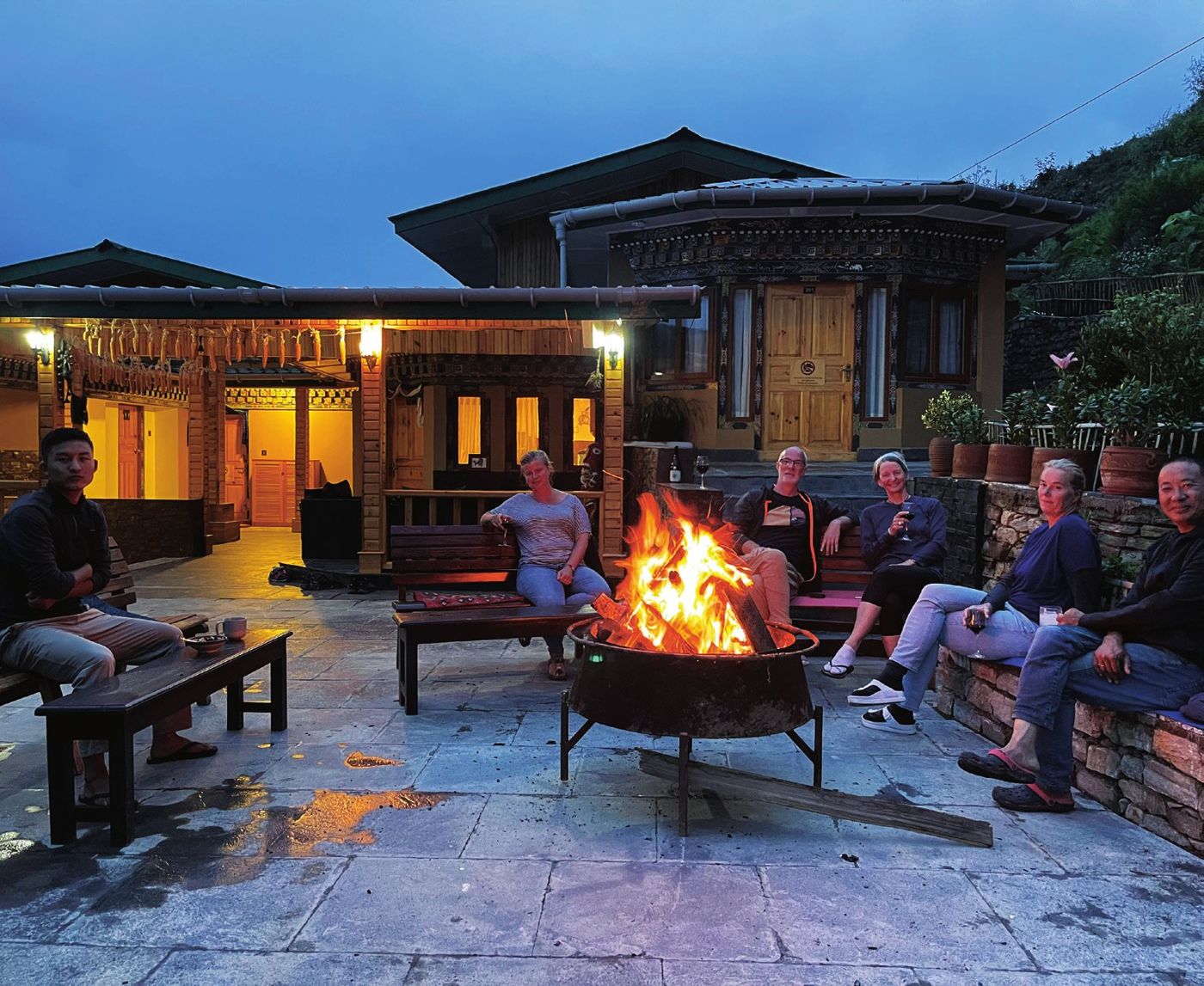
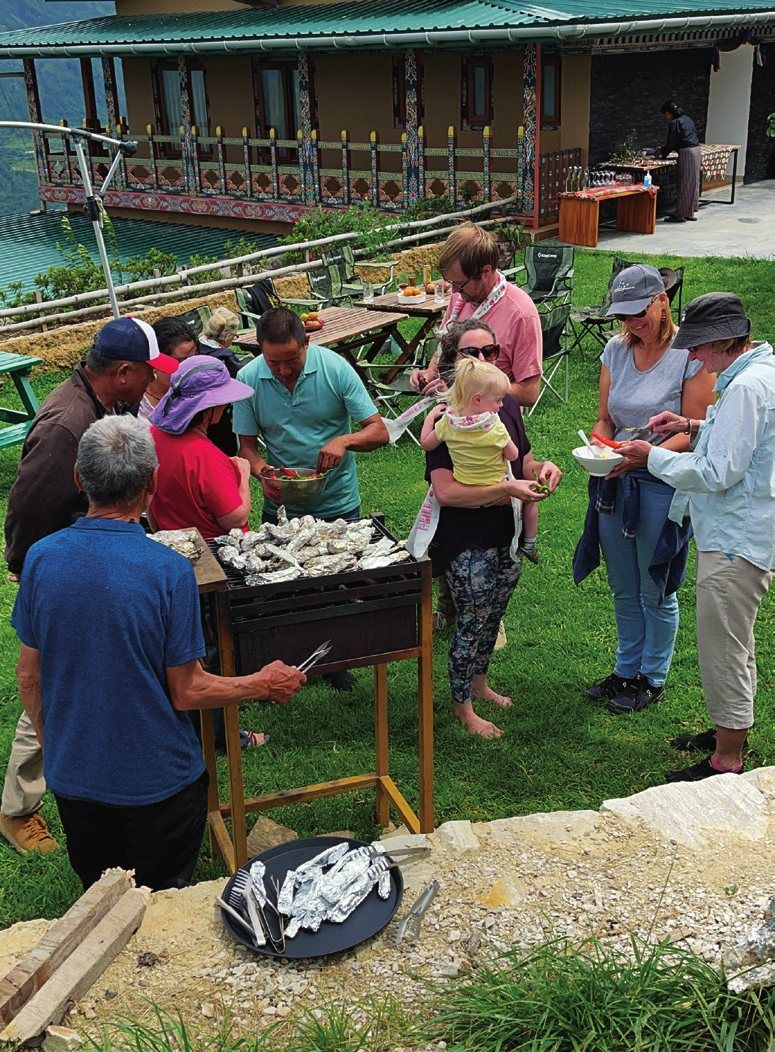
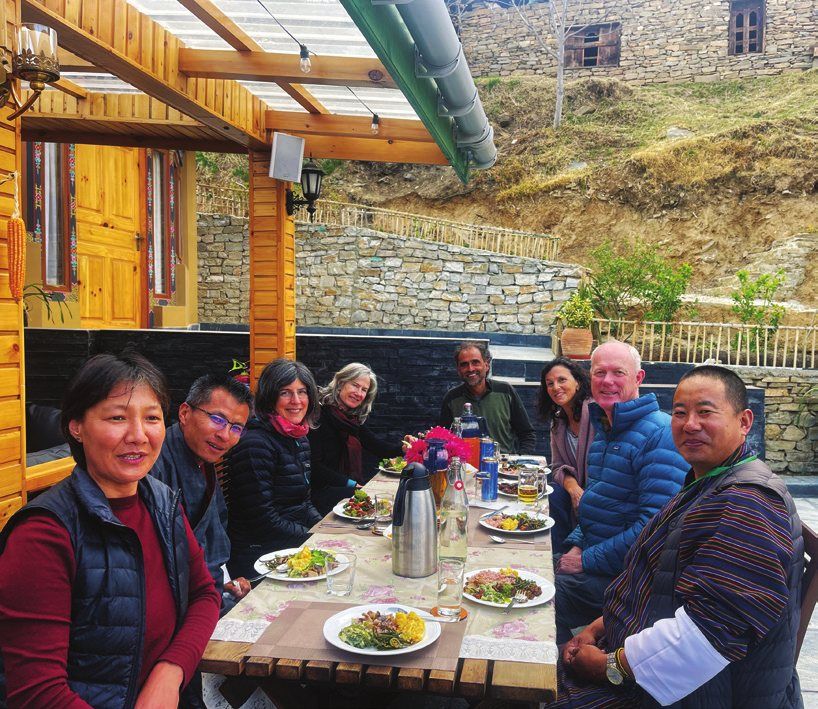
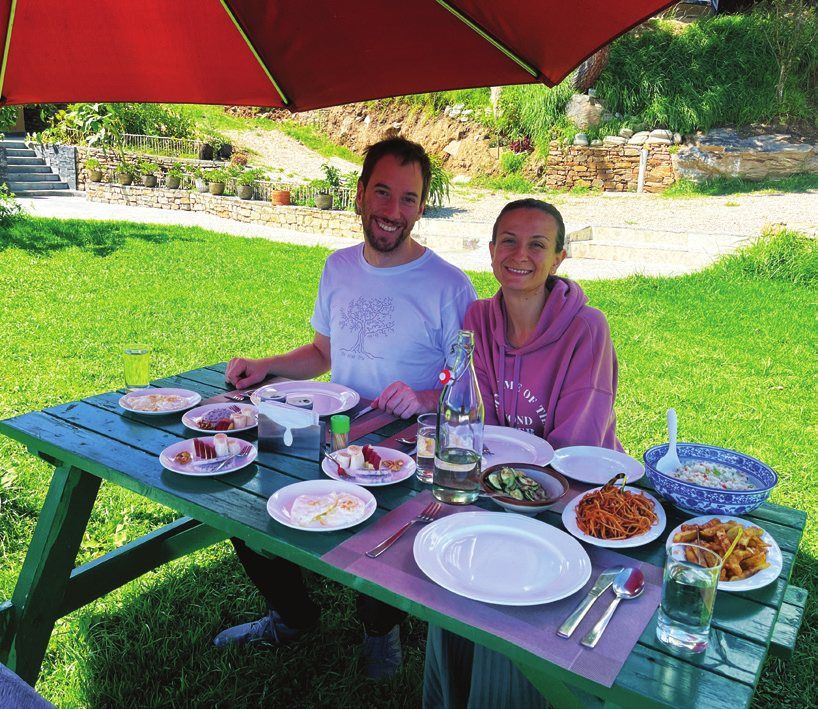
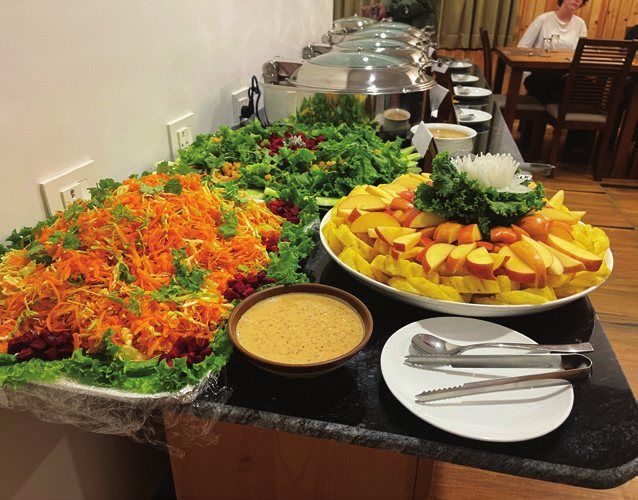
Agro-tourism lets guests share the farm: traditional cottage-style rooms, guided tours, fruit picking, outdoor activities and a restaurant serving what the farms grow. The Tree Membership goes further, letting people own fruit trees and enjoy their harvest for a set number of years.

What Bhutan’s farmers need
Bringing young people back
Farming has to match young people’s hopes: modern technology, entrepreneurship, education, sustainability, access to land and better marketing. Agriculture and rural communities are central to Bhutan’s goal of becoming a developed economy by 2034.
What would help
- Grants, low-interest loans and subsidies for small farmers going eco-friendly
- Research into climate-resilient crops and breeds
- Better roads, irrigation and storage
- Training in sustainable farming and marketing
- Efficient supply chains and export support
- Organic farming and agroforestry
The challenges
- Land fragmentation
- Human-wildlife conflict
- Limited access to finance
- Poor infrastructure and high transport costs
- Climate change and its effect on yields
The opportunities
Organic farming, agro-tourism, value-added products, farm-to-table dining, eco-friendly processing and e-commerce that links farmers directly to fair markets. Dorji believes Bhutan should protect its farming traditions while embracing innovation, and act now to prepare its farms for the 21st century.
Adapted from Dorji’s article “Agri-preneurship in Bhutan: perspective from a public servant turned agri-preneur”, Tashi Delek magazine, March–April 2025, pages 64–67.